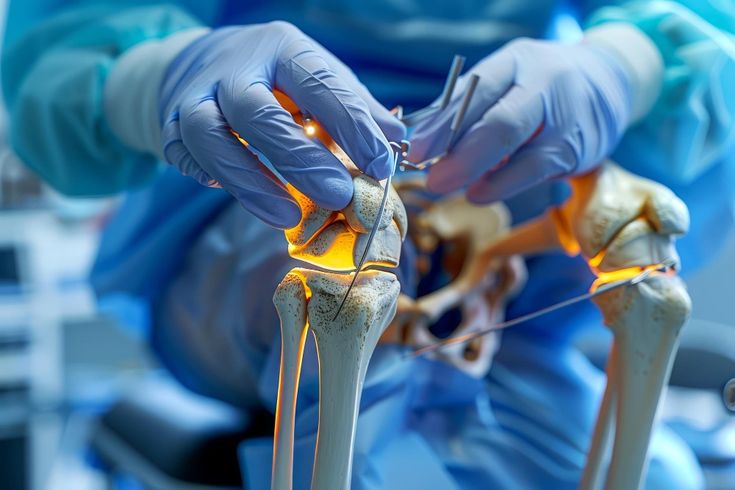
When we hear the term “joint pain,” we often think of temporary aches from overuse or minor injuries. But for many individuals, especially those with arthritis or degenerative joint conditions, joint pain can be severe, persistent, and life-limiting. In such cases, joint replacement surgery can offer lasting relief and restore mobility- helping patients return to…
Read MoreThe diagnosis of a bone or limb deformity in a child can be scary for parents, and the term “surgery” may seem daunting. However, the good news is that the majority of pediatric orthopedic deformities are treatable without surgery — provided they are diagnosed early and treated by a specialist who has expertise in children’s…
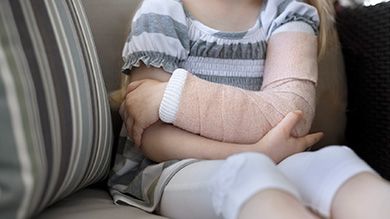
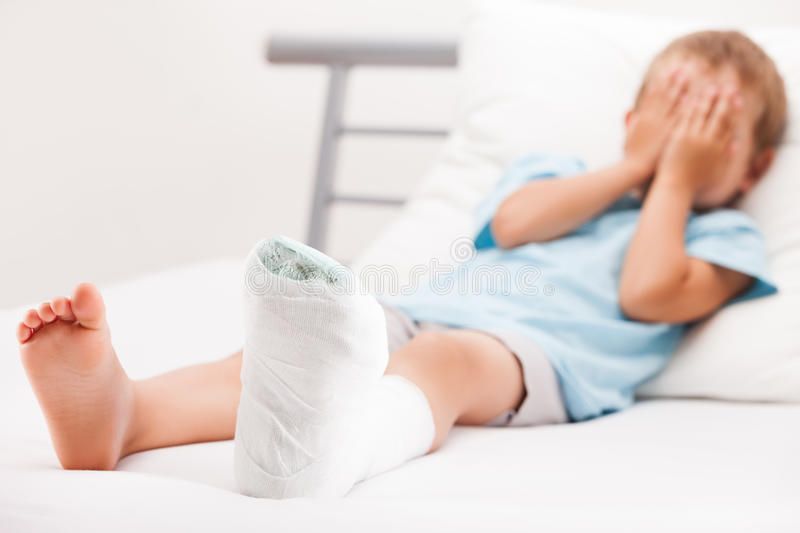
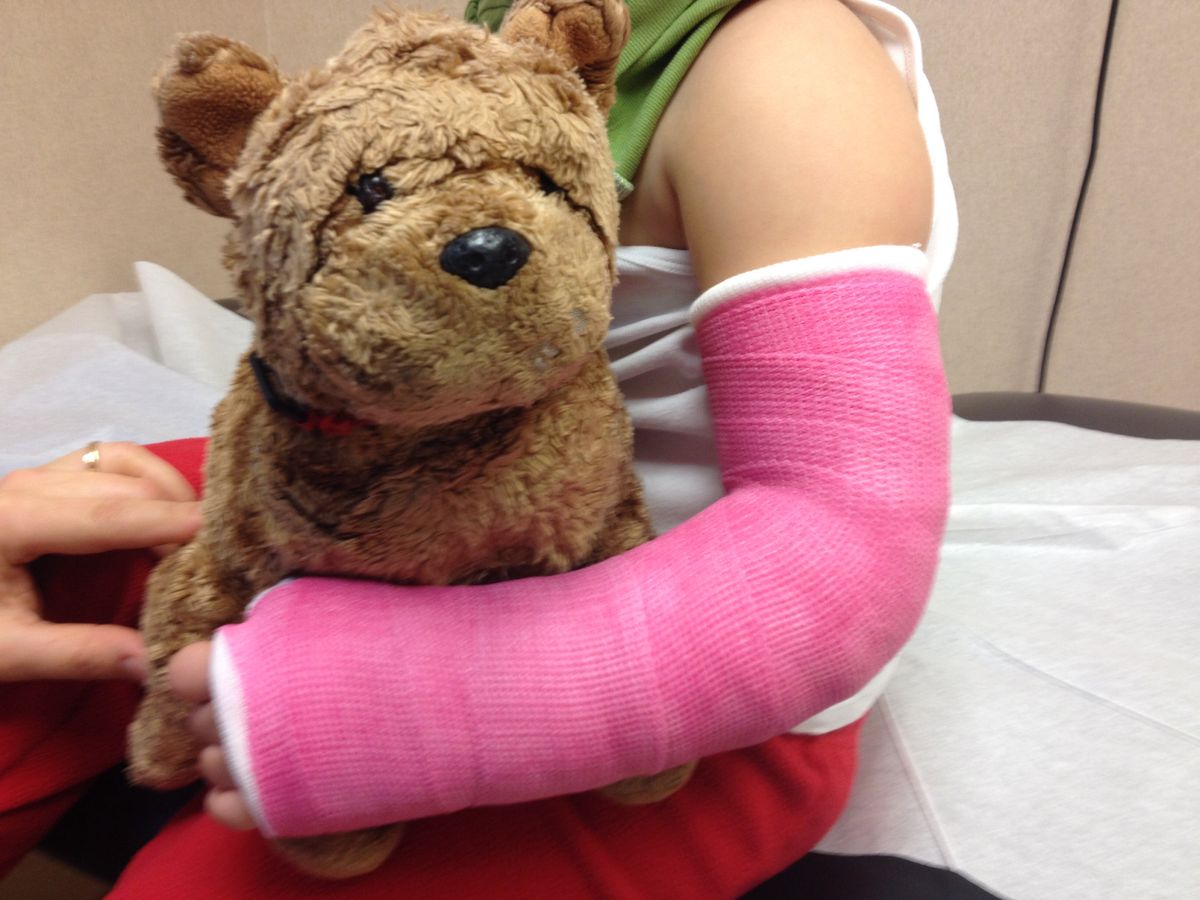
Read MoreWhen a kid fractures a bone, it may appear to be a smaller replica of an adult fracture — but in actuality, it’s a completely different medical condition. Kids’ bones are not only smaller; they are still developing, more resilient, and more structurally distinct, making their fractures more complicated to treat than they seem. That’s…
Read MoreKids are naturally energetic, active, and curious, which translates to bruises, bumps, and the occasional worse thing like fractures. Any parent gets a suspected break is sure to be a worrisome experience. While children’s bones are stronger than adults’ because they are more flexible, they are also not finished developing yet, leaving them at risk…
Read MoreChildhood is a period of development, activity, and growth. Bones extend and reform as children become taller and stronger. A critical aspect of this process is the growth plate, a soft spot of developing cartilage located in the ends of long bones. Though these plates are crucial to the development of healthy bones, they’re also…
Read MoreIn the children’s world of adventure, tumbles, falls, and small accidents are a daily occurrence. Oftentimes, these incidents amount to nothing more than bruises and scrapes. But occasionally, they cause something more serious—fractures. Although broken bones may be frightening, more worrying is when such injuries are not treated promptly by someone who has special training…
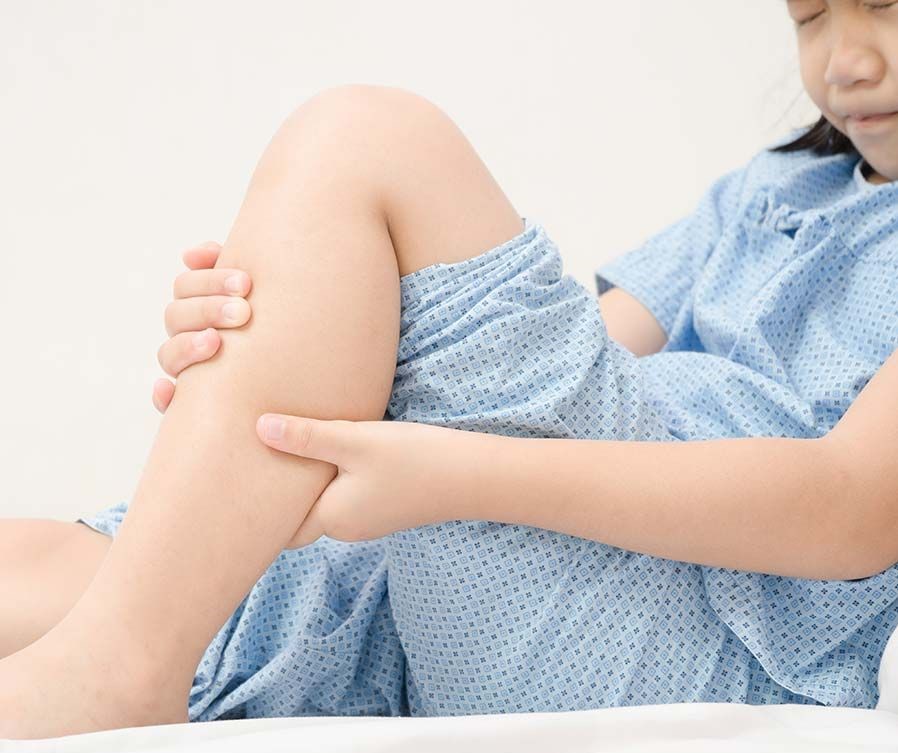
Read MoreWhen your child starts limping, it’s simple to attribute it to some friendly mischief or minor bruise. Kids are rambunctious, after all. But a sustained limp or one that comes back with frequency may indicate something serious beyond a simple tumble. As parents, you should be aware that a limp is not an illness—it’s a…
Read MoreChildhood is a very important time for physical development and growth. The musculoskeletal system during this period of time has rapid growth. Most of the children develop normally, but a few may suffer from bone or joint deformities because of congenital conditions, trauma, or neuromuscular diseases. Early detection can be a turning point in terms…
Read More