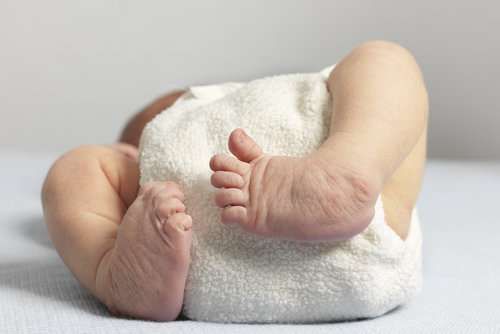
Cerebral palsy is one of the most common neurodevelopmental disorders in infants and young children. It occurs due to abnormal brain development or injury to the developing brain, often before, during, or shortly after birth. Among the many causes of cerebral palsy, severe infections in infants and even infections during pregnancy are significant contributors.
Understanding this connection helps parents identify early warning signs and seek timely medical care to reduce long-term complications.
This article explains how infections lead to cerebral palsy, early signs parents should watch for, and important prevention strategies.
How Do Infections Cause Cerebral Palsy in Infants?
Severe infections can disturb the normal development of an infant’s brain. These infections trigger inflammation, high fever, or tissue damage, disrupting vital brain signals responsible for muscle control, movement, and coordination.
- Maternal Infections During Pregnancy
Some infections during pregnancy can cross the placenta and affect the fetus, damaging brain tissue or interfering with normal neurological development.
Common maternal infections linked to cerebral palsy:
- Rubella (German measles)
- Cytomegalovirus (CMV)
- Toxoplasmosis
- Zika virus
- Herpes simplex
- Syphilis
- Chorioamnionitis (infection of placental tissues)
These infections increase inflammation, reduce oxygen supply, and disrupt the formation of brain cells.
- Birth-Related Infections
Certain infections during labor or at the time of birth can lead to brain injury.
These include:
- Group B Streptococcus (GBS)
- E. coli infections
- Bacteria causing meningitis
- Infections after prolonged rupture of membranes
Newborn immunity is still developing, making it difficult for them to fight severe infections.
- Postnatal Infections in Infants
Infections occurring shortly after birth directly impact the brain and are among the strongest contributors to cerebral palsy.
Common postnatal infections include:
- Meningitis (bacterial or viral)
- Encephalitis
- Sepsis
- Severe jaundice causing kernicterus
- Respiratory infections causing low oxygen levels
Why These Infections Cause Brain Damage
Severe infections may result in:
- Inflammation and swelling of brain tissues
- Reduced oxygen flow to the brain
- Release of toxins that damage brain cells
- High fever affecting brain functions
- Increased pressure around the brain
Together, these factors affect regions responsible for movement, muscle tone, balance, and posture, leading to cerebral palsy.
Early Signs of Infection-Related Cerebral Palsy
Symptoms may appear immediately or become noticeable over months as the child grows. Infants recovering from severe infection need close developmental monitoring.
- Motor and Movement Delays
- Not holding the head up by 3–4 months
- Stiff or floppy muscles
- Delayed rolling, sitting, crawling, or walking
- Weakness or preference for one side
- Abnormal Muscle Tone
- Hypertonia (very stiff muscles)
- Hypotonia (floppy muscles)
Tone may change with age.
- Feeding Difficulties
- Poor sucking or swallowing
- Drooling excessively
- Poor weight gain
- Abnormal Reflexes
- Strong, persistent reflexes
- Lack of expected developmental reflexes
- Sensory or Behavioral Issues
- Poor response to sound or visual stimuli
- Restlessness or irritability
- Poor coordination
Infants who suffered meningitis, encephalitis, or sepsis must undergo regular developmental assessments to identify early signs.
Risk Factors That Increase the Chances of Cerebral Palsy After Infections
During Pregnancy
- Maternal fever
- Untreated urinary or vaginal infections
- Placental infections
- Poor prenatal care
- Smoking, alcohol, or toxic exposure
During Birth
- Prolonged labor
- Preterm birth
- Low birth weight
- Low oxygen at delivery
After Birth
- NICU stay due to severe infection
- Untreated jaundice
- Weak immunity
- Low oxygen from respiratory infections
Premature babies are highly vulnerable to both infections and brain injury.
How Parents Can Prevent Infection-Related Cerebral Palsy
Not all cases can be prevented, but many infection-related causes can be avoided with timely medical intervention.
- Regular Maternal Checkups
During pregnancy:
- Attend all prenatal visits
- Monitor fever or infection
- Take recommended vaccinations (Rubella vaccine before pregnancy)
- Avoid raw meat, unpasteurized dairy, and contaminated water
- Maintain good nutrition and hygiene
- Group B Streptococcus (GBS) Screening
Screening in the third trimester reduces birth infections significantly.
If the mother tests positive, antibiotics are provided during delivery to protect the baby.
- Immediate Care for Newborn Infections
Seek urgent care if your infant shows:
- High fever
- Seizures
- Poor feeding
- Excessive sleepiness
- Irritability
- Breathing difficulty
Rapid treatment of sepsis, meningitis, or jaundice prevents long-term brain damage.
- Postnatal Vaccination
Vaccines protect infants from infections known to cause cerebral palsy, such as:
- Meningitis
- Encephalitis
- Measles
- Polio
- Pneumonia
Vaccination is one of the strongest preventive measures.
- Prevent Severe Jaundice
Untreated jaundice can cause kernicterus, a major cause of cerebral palsy.
Watch for:
- Yellow skin or eyes
- Poor feeding
- Lethargy
Timely phototherapy or medication can prevent brain injury.
- Maintain Proper Hygiene and Feeding Practices
- Sterilize feeding bottles
- Use clean, safe water
- Wash hands frequently
- Avoid overcrowded environments during early months
When Should Parents Seek Medical Help?
Consult a pediatric neurologist or neonatologist if:
- The baby had a severe infection
- Developmental milestones are delayed
- Muscle stiffness or floppiness is noticed
- Feeding becomes difficult
- Seizures or unusual jerks occur
- The baby is unresponsive to sound, touch, or visual cues
Early diagnosis opens the door to physiotherapy, occupational therapy, developmental therapy, and targeted interventions.
Conclusion
Severe infections in infants are a major, yet preventable, cause of cerebral palsy. Infections such as meningitis, encephalitis, and sepsis can damage the developing brain, leading to long-term movement and developmental problems. However, early diagnosis, proper medical care, vaccination, and developmental monitoring significantly reduce risks.
Parents, caregivers, and healthcare professionals working together ensure the best outcomes. With early intervention, children affected by infection-related cerebral palsy can achieve better mobility, independence, and quality of life.
Dr. Rajeev Nirawane – Pediatric Orthopedic Surgeon in Wakad, Pune
Clinic Address: Shop No. 225, KHINVASARA TRADE CENTER, KTC), Near, Dange Chowk Rd, Mangal Nagar, Wakad, Pune, Pimpri-Chinchwad, Maharashtra 411033.
Website: https://www.pediatricorthopedicdoctor.in/