Congenital pseudarthrosis of the tibia (CPT) is a rare pathology, which is usually associated with neurofibromatosis type I. The natural history of the disease is extremely unfavorable and once a fracture occurs, there is a little or no tendency for the lesion to heal spontaneously. It is challenging to treat effectively this difficult condition and its possible complications. Treatment is mainly surgical and it aims to obtain a long term bone union, to prevent limb length discrepancies, to avoid mechanical axis deviation, soft tissue lesions, nearby joint stiffness, and pathological fracture. The key to get primary union is to excise hamartomatous tissue and pathological periosteum. Age at surgery, status of fibula, associated shortening, and deformities of leg and ankle play significant role in primary union and residual challenges after primary healing. Unfortunately, none of invasive and noninvasive methods have proven their superiority. Surgical options such as intramedullary nailing, vascularized fibula graft, and external fixator, have shown equivocal success rate in achieving primary union although they are often associated with acceptable results. Amputation must be reserved for failed reconstruction, severe limb length discrepancy and gross deformities of leg and ankle. Distinct advantages, complications, and limitation of each primary treatment as well as strategies to deal with potential complications have been described. Each child with CPT must be followed up till skeletal maturity to identify and rectify residual problems after primary healing.
Cerebral palsy is one of the most common neurodevelopmental disorders in infants and young children. It occurs due to abnormal brain development or injury to the developing brain, often before, during, or shortly after birth. Among the many causes of cerebral palsy, severe infections in infants and even infections during pregnancy are significant contributors. Understanding…
Read More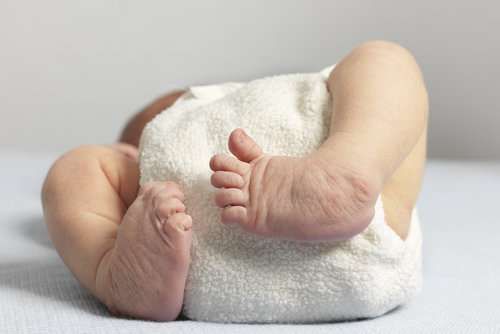
By Dr Rajeev Nirawane – Pediatric Orthopedic Surgeon in Wakad, Pune Clubfoot is one of the most common congenital deformities seen in newborn babies. While the condition may initially alarm parents, the reassuring fact is that clubfoot is highly treatable, especially when diagnosed early. With advanced pediatric orthopedic facilities available in Pune, babies born with…
Read More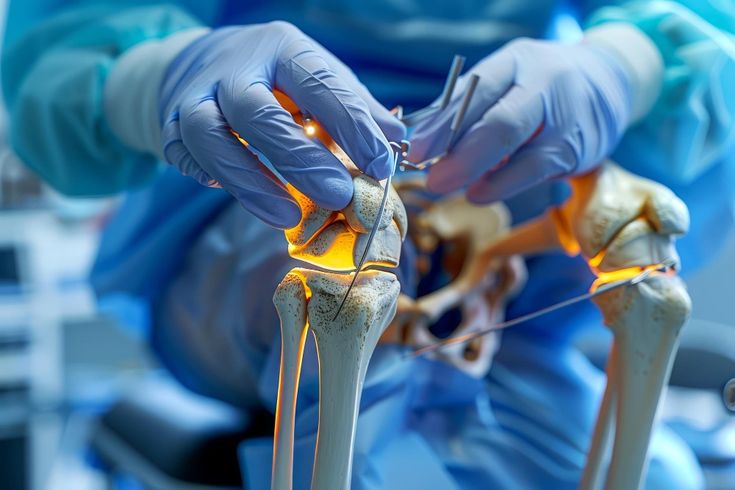
When we hear the term “joint pain,” we often think of temporary aches from overuse or minor injuries. But for many individuals, especially those with arthritis or degenerative joint conditions, joint pain can be severe, persistent, and life-limiting. In such cases, joint replacement surgery can offer lasting relief and restore mobility- helping patients return to…
Read More