By Dr Rajeev Nirawane – Pediatric Orthopedic Surgeon in Wakad, Pune
Clubfoot is one of the most common congenital deformities seen in newborn babies. While the condition may initially alarm parents, the reassuring fact is that clubfoot is highly treatable, especially when diagnosed early. With advanced pediatric orthopedic facilities available in Pune, babies born with clubfoot can grow up to walk, run, and participate in daily activities just like any other child.
In this comprehensive blog, we cover the early signs of clubfoot, the best treatment options, and why consulting a specialist like Dr Rajeev Nirawane, a leading Pediatric Orthopedic Surgeon in Wakad, Pune, ensures the best long-term outcomes.
What is Clubfoot?
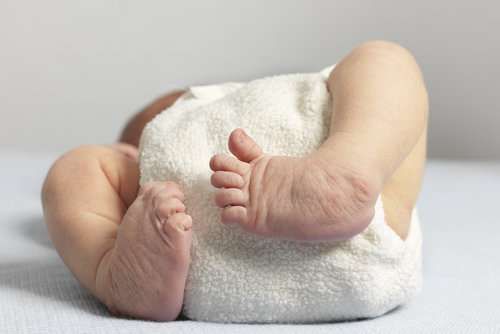
Clubfoot, medically known as Congenital Talipes Equinovarus (CTEV), is a deformity where a baby’s foot is twisted inward, downward, or appears curved. It affects the bones, ligaments, tendons, and muscles of the foot and ankle.
Key Features of Clubfoot
- Foot pointed downward
- Front part of the foot turned inward
- Tight Achilles tendon
- Smaller foot size
- Limited ankle and foot movement
The deformity may affect one foot (unilateral clubfoot) or both (bilateral clubfoot). Early identification ensures faster, more effective correction.
What Causes Clubfoot in Babies?
In most cases, clubfoot occurs due to unknown reasons. Still, several factors may contribute:
- Genetic Influences
A family history of clubfoot increases the likelihood.
- Position in the Womb
Limited space or improper fetal positioning may contribute.
- Neuromuscular Conditions
Rarely, nerve and muscle disorders may play a role.
- Environmental Factors
Maternal smoking, lack of prenatal care, and nutritional deficiencies may increase risk.
Most cases are idiopathic, meaning there is no clear cause.
Early Signs of Clubfoot in Babies
Clubfoot is typically visible at birth, but recognizing the early signs helps parents seek timely care.
Common Symptoms
- One or both feet twisted inward
- Curved or rounded appearance of the foot
- Smaller calf muscle on the affected side
- Limited ankle mobility
- Top of the foot facing downward
- Toes pointing inward toward the other leg
Can Clubfoot Be Diagnosed Before Birth?
Yes. Prenatal ultrasound (usually in the second trimester) can detect clubfoot.
In area like Wakad Pune, routine antenatal scans help parents prepare early and consult specialists like Dr Rajeev Nirawane for early treatment planning.
Why Early Treatment Matters
The first few weeks after birth are crucial because a baby’s bones and tissues are soft and easily moldable. Starting treatment early ensures:
- Faster and more effective correction
- Lower risk of recurrence
- Reduced treatment duration
- Minimal need for surgery
- Normal walking and foot development
Most infants treated early lead completely normal lives.
Best Treatment Options for Clubfoot in Babies
Modern pediatric orthopedics has transformed clubfoot into a highly treatable condition. The Ponseti Method is considered the global gold standard.
- Ponseti Method – The Most Effective Non-Surgical Treatment
The Ponseti Method is safe, minimally invasive, and highly successful.
Steps in the Ponseti Method
- Gentle Manipulation & Weekly Casting
- The baby’s foot is gently stretched.
- A plaster cast is applied weekly for 4–6 weeks.
- Percutaneous Tenotomy (Heel Cord Release)
A minor, quick procedure to correct a tight Achilles tendon and achieve proper foot alignment.
- Bracing Phase
After correction, a special abduction brace maintains the results.
The brace is worn:
- 23 hours/day for the first 3 months
- During sleep until age 4–5 years
This phase is essential to prevent recurrence.
Success Rate
With proper follow-up, the Ponseti Method has a 95% success rate worldwide.
- Physical Therapy & Stretching Exercises
In some cases, physiotherapy is recommended along with the Ponseti Method.
Benefits include:
- Improved foot flexibility
- Stronger muscles
- Better walking patterns
Parents may also learn home-based exercises.
- Surgical Options (Only When Needed)
Surgery is required in less than 5–10% of cases and only when:
- The deformity is severe
- Non-surgical methods fail
- Recurrence occurs frequently
Surgical steps may involve tendon lengthening or bone alignment, depending on the severity.
Why Choose Dr Rajeev Nirawane for Clubfoot Treatment in Pune?
Dr Rajeev Nirawane is a highly experienced Pediatric Orthopedic Surgeon in Wakad Pune, specializing in congenital deformities like clubfoot.
Why Parents Trust Him:
✔ Expertise in Pediatric Orthopedics
✔ Specialist in Ponseti Method with exceptionally high success rates
✔ Advanced, child-friendly clinic environment
✔ Modern diagnostic and bracing facilities
✔ Holistic approach to long-term foot development
✔ Easily accessible location for families across Pune and PCMC
From early diagnosis to bracing and follow-up care, parents receive complete guidance and support.
Tips for Parents Managing a Baby with Clubfoot
- Begin treatment immediately after birth
- Attend every casting and follow-up appointment
- Follow the bracing schedule strictly
- Do not skip physiotherapy if advised
- Monitor your baby’s foot movements
- Maintain regular communication with your pediatric orthopedic specialist
With the right care, your child can enjoy completely normal mobility.
Conclusion
Clubfoot can be concerning for new parents, but it is fully treatable with timely diagnosis and expert care. The Pediatric orthopedic treatment, ensures exceptional long-term outcomes.
For parents living in Wakad, or PCMC Pune, choosing an expert like Dr Rajeev Nirawane offers confidence, advanced treatment, and compassionate care throughout the journey.
Dr. Rajeev Nirawane – Pediatric Orthopedic Surgeon in Wakad, Pune
Clinic Address: Shop No. 225, KHINVASARA TRADE CENTER, KTC), Near, Dange Chowk Rd, Mangal Nagar, Wakad, Pune, Pimpri-Chinchwad, Maharashtra 411033.
Website: https://www.pediatricorthopedicdoctor.in/